The Expert Guide To Oil Radiator Heater
Oil Radiator Heater Designed to heat medium-sized rooms in your home An oil radiator heater is filled with thermodynamic fluid, and is fitted with a heating element. Their unique design provides enduring warmth through an ideal combination of convection and radiation. They are quiet and secure to be left for the night, removing the risk of waking up to a cold and chilly home. They also feature a thermostat that allows them to turn between on and off to keep the desired temperature, reducing the energy use. Energy efficiency The heat-generating element of the oil radiator is submerged in special fluids such as mineral or vegetable oils or commercial products like Thermoil. The liquid is heated by an electric current that passes through it. This warms the air surrounding it. The warm air radiates from the surface of the radiator, causing it to warm the room. This process takes less electricity than other kinds of electric heaters. They are particularly beneficial for large rooms or draughty areas since they generate a diffused, long-lasting heat. The amount of energy a radiator consumes is contingent on its size and the way it's used. Smaller models consume just 500W, while larger ones may consume 2,500W or more. To calculate your average daily or hourly usage, find the radiator's wattage, and multiply it by the amount of time you anticipate using it during the day or week. Then you can convert the wattage into Kilowatts for an estimate of the amount it costs to run. The majority of modern oil radiators have a variety of energy-saving features to reduce the use of electricity. For example, some have built-in programmable timers that permit you to set your own operating schedule. These timers are able to turn the heater on or off at certain times, preventing excessive energy usage. Many thermostats come with a 'thermostat control mode' that cycles the heaters off and on to maintain a certain temperature. This helps save energy by not constantly heating up or cooling down the room. The ability to retain heat is another advantage of heaters that are filled with oil. The liquid will stay warm even after the heater has been turned off, once the heat is at the surface. They are therefore more efficient than other electric heaters that require to heat a room constantly. Oil-filled radiators consume more energy than dry and ceramic heaters but they are still a great option for environmentally conscious consumers. They also offer a high level of safety, with advanced features like tip over protection, anti tilt and automatic shut off technology. They make sure that the radiator will only draw as much power as it requires to remain safe and warm. Safety A radiator with oil can warm rooms quickly and quietly. Its main source of heat is a small quantity of oil that is heated internally and circulated throughout the body and fins. This oil is referred to as diathermic oil and it does not require refilling. It is a sealed unit, so there are no hot metal components that could ignite or cause scorching to any surface they contact. These heating systems are safe to use in homes with pets and children live. 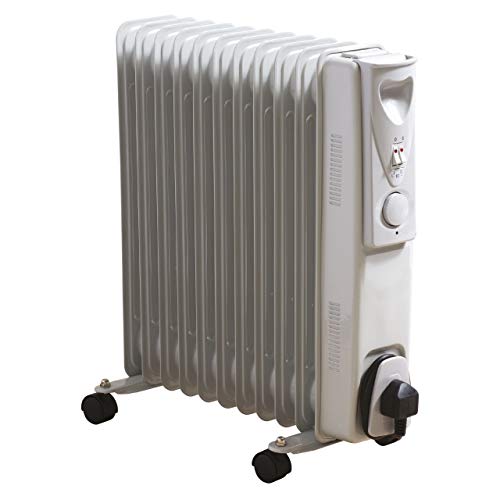 The heaters must be connected directly into the power source. If they are powered by extension cords, they can overheat and cause fire. This is why it is recommended that you avoid buying second-hand heaters on the internet and always choose ones from reputable sellers. You should also ensure that you keep heaters away from curtains and other flammable items. Install heat sensors and smoke detectors in your home and test them regularly. In addition to the safety features previously mentioned, an oil radiator heater is also easy to move around your home. Many models come with carrying handles and some are made as flat panels to help to save space. They can be placed on desks and other surfaces. Some models come with built-in timers and thermostats that can help you save money and energy by activating the heater at a certain hour. They are ideal since they don't require gas connections. This reduces the danger of carbon dioxide poisoning if there is an air venting leak. Additionally, the use of an oil radiator heater could help you save money on replacing expensive gas pipes if they're damaged or worn out. As opposed to traditional radiators heating systems do not need to be refilled with liquids like water or other. They are filled with a particular diathermic-type oil which is sealed inside the body and fins of the unit. In the unlikely event that you need to change the oil it is a task that requires professionals and is not something you can do at your home. Durability It is important to consider durability when choosing a heater. A heater that is durable will last longer and will be less costly to maintain throughout its lifespan. It's also safer than a weaker and cheaper model. It is also recommended to purchase a heater from a trusted brand and read reviews from customers before making a purchase. A well-established manufacturer will offer an assurance for their products. This can be an indication of the durability and quality of the product. An oil radiator heater is an electric heating device that makes use of an element to heat a reservoir of thermal oil inside the appliance. The heating oil then warms the surrounding air through convection and radiation. This type of electric heater is very efficient and quiet when operating. It's an excellent alternative to other heating methods, like gas stoves or furnaces. Oil-filled radiators are available as fixed or portable models. Portable models are ideal for those who require warmth on demand, and they can be easily moved around the room. However fixed models are a good choice for larger areas because of their thermal retention capabilities. They do not have to be connected to the central heating system, unlike traditional electric models. They are installed in the corners to reduce the cold air that is coming in through the windows. This creates a more comfortable atmosphere. They are also great for rooms with fans to cool the room. The thermal oil in the radiator that is filled with oil is not used as fuel, and it is sealed within the heater to stop leakage. These kinds of heaters have a high energy efficiency and are safe for use. They can be hazardous, however, if left unattended. Keep them at a minimum of three feet away from any flammable items and never touch them when they are hot. It is crucial to choose an oil heater with the highest BTU rating. This will enable the heater to heat your home quickly and efficiently. Find models that have advanced safety features like an overheat protector and anti-tipping features. Maintenance Oil radiator heaters function as a completely sealed, independent heating system. They are filled with thermodynamic fluid, and come with an electric core. The fluid expands when heated, creating a cycle of convection that warms the air and heats the surfaces throughout the room. With excellent thermal retention and around a third of their warmth delivered by radiation, they're ideal for all-day heating in large and medium-sized rooms as well as to maintain comfort levels in areas that are difficult to heat. They can be put in any location, unlike gas central heating systems. fireplacesandstove means that installation is quick and simple, since there is no requirement to install central heating pumps or water tanks. All that's required is a professional to install the heating element, and then wire it into the fused spur. They also require minimal maintenance and a few times of cleaning using a damp cloth is usually enough to keep them clean and span. As with all electric heaters they should be bled within 30 minutes of the first use. This is a straightforward procedure that involves removing the valve until liquid begins to flow out. The electric radiators are nearly completely silent, due to the absence of fans. They are perfect for bedrooms and media room. The superior heat dispersion of these electric radiators ensures that thermal oil reaches all parts of the radiator. This makes them more effective at providing consistent warmth and evenly heating the room than traditional radiators. Furthermore, with precise thermostats and energy-saving features they're extremely cost-effective making sure that you only pay for the amount of power it requires to maintain a comfortable temperature within your home. Based on your wattage and the size of your room as well as your energy provider's costs, this can add up to significant savings. But, it's important to keep in mind that the thermal oil contained in these heaters is sealed when they're built at the factory, so it isn't replenished until it begins to run out – this is why it's essential to purchase your electric radiator from a trusted manufacturer with a robust warranty scheme.